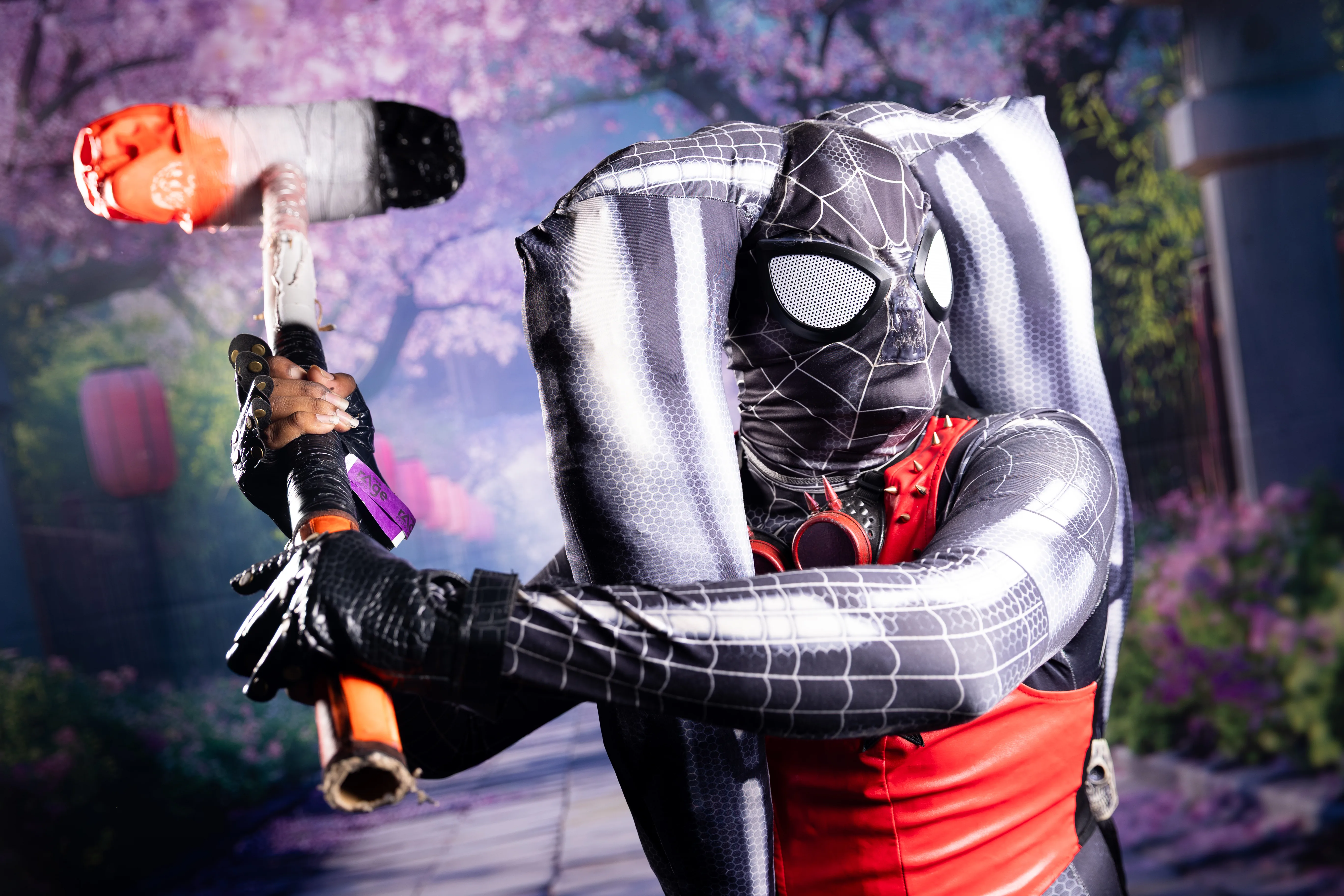
For years, cosplay was treated as colourful entertainment on the edges of gaming conventions. Cosplayers drew cameras, entertained crowds and brought familiar characters to life, but the skill, economic potential and cultural importance behind the costumes were often overlooked.
That perception is changing. Across South Africa, cosplay is becoming a serious creative discipline, a competitive pursuit and an emerging professional industry. Behind every finished character is an ecosystem of designers, seamstresses, performers, photographers, make-up artists, wig stylists, prop makers and digital creators. What audiences see on stage may last only a few minutes, but producing it can require months of research, fabrication and technical problem-solving.
Cosplay is not a recent addition to fandom. Its roots stretch back to 1939, when science-fiction convention attendees began creating and wearing costumes inspired by the stories they loved. The word “cosplay” was coined only in 1983, but the practice had already become an established form of fan participation.
It remains one of the most visible ways for people to express what games, characters and fictional worlds mean to them. But a fan does not simply consume a story; they study it, interpret it and rebuild part of its world through costume, performance and craft.
Bringing digital worlds into real life
For gaming culture, cosplay creates a powerful bridge between the screen and the physical world.
Seeing Master Chief, Princess Zelda or a character from League of Legends walking through a festival changes how audiences experience the source material. A digital character becomes tangible, creating a shared moment between the cosplayer and the people who recognise them.
“This is why cosplay should not be viewed as entertainment happening alongside gaming. It is part of gaming culture itself. It turns individual fandom into community participation and gives games a life beyond the console or PC,” explains Jade Bayes, Head of Cosplay at Gaming Entertainment Solutions.
That experience also helps gaming festivals attract people who may never describe themselves as gamers. Families come to see the spectacle. Children meet characters they recognise. Anime fans, artists, designers and photographers discover a space for their interests. First-time visitors can connect with the creativity and performance even if they have never held a controller.
Cosplay therefore acts as a gateway into the broader world of gaming and digital culture. It makes that world more visible, expressive and accessible.
South African talent is competing globally
The growing profile of creators such as Princess Sachiko, Ludus Cosplay, Kinpatsu Cosplay and Jinxie Cosplay reflects how far South African cosplay has progressed.
These creators have built distinctive identities and audiences through craftsmanship, performance, content and competition. They also demonstrate the different routes available to South African cosplayers, from digital influence and character performance to professional costume design, education and international competition.
Princess Sachiko has built a highly visible online presence through energetic character transformations and entertainment-led cosplay content. Her success demonstrates how social platforms can help African creators reach global fandoms without waiting for traditional entertainment gatekeepers to open the door.
Kinpatsu Cosplay has turned years of costume-making experience into a global educational platform offering tutorials, patterns and books. Her work shows how knowledge and intellectual property developed through cosplay can become commercially viable products for an international audience.
Ludus Cosplay is recognised for detailed fabrication and costume construction, representing South Africa on the international competition stage. Jinxie Cosplay has similarly earned international recognition for intricate, technically ambitious costumes that combine fashion design, historical influences and advanced construction techniques.
Together, these creators show that cosplay is not one narrowly defined activity. It can be an art form, a business, a competitive discipline, a content career or a combination of all four.
From hobby to commercial opportunity
Brands are also beginning to recognise the value of cosplay as a form of audience engagement.
Gaming studios and entertainment companies commission characters for launches, campaigns and media appearances. Cosplayers appear at exhibition stands, premieres, esports tournaments and retail activations, creating photo opportunities and interactive experiences that conventional promotional displays cannot easily replicate.
Their value lies in authenticity. Cosplayers understand the characters, source material and communities they represent. When a partnership is handled respectfully, that credibility can help brands participate in fandom rather than simply advertise to it.
“The opportunity extends well beyond the person wearing the costume. A single cosplay project can involve custom garments, armour, props, wigs, make-up, photography, video production and performance,” adds Bayes. “As the sector grows, it creates work and exposure for a much broader network of South African creatives.”
The next step is to build a more structured professional ecosystem around this talent. That includes fair commercial agreements, access to specialised materials, training, mentorship, brand partnerships and greater visibility for the people working behind the scenes.
It also requires the industry to recognize cosplay as creative labour. Intricate costumes can consume hundreds of hours and require expensive materials, specialist equipment, and advanced technical skills. Exposure alone cannot sustain that work.
A platform for the next generation
Nedbank rAge Nation has played an important role in the development of South African cosplay, including providing a home for formal competitions and helping to shape local approaches to judging, participation and community engagement.
Its long-standing belief that “cosplay is for everyone” has helped make the culture accessible to newcomers, children and people from different backgrounds and skill levels. Beginner-friendly opportunities sit alongside serious competitions, giving first-time participants a way into the community while providing experienced cosplayers with platforms on which to test their craft.
Performance-led formats such as the Lip Sync Cosplay Battle recognize that cosplay is about more than technical construction. Stage presence, interpretation, and character performance are also part of the art form. Children’s competitions create an accessible entry point for younger fans, while initiatives such as the Great Cosplay Indaba can help connect creators across Africa and strengthen the continent’s presence in the international community.
As Nedbank rAge Nation enters its next chapter, cosplay has an opportunity to claim an even bigger place on the map. The festival can help professionalise the ecosystem by giving cosplayers bigger platforms, connecting them with brands, supporting access to materials and training, and opening pathways to international exposure.
South African cosplay no longer needs to prove that it belongs. Creators such as Princess Sachiko, Ludus Cosplay, Kinpatsu Cosplay and Jinxie Cosplay are already showing what is possible when local talent is given a platform.
The next quest is ensuring that the creators following in their footsteps are not only applauded, but properly recognised, supported and rewarded.