With electricity tariffs up and energy performance certificates becoming due for most qualifying buildings, LG Electronics South Africa took property operators, consultants and installers to see how Korea runs some of its biggest buildings
Eskom ranks air conditioning as the biggest single user of electricity in South Africa’s commercial sector – accounting for 30% – 60% of sites’ energy usage according to Sustainable Energy Africa. Since 1 July, municipal electricity tariffs have also risen by an average of 9%. Those numbers travelled with a group of South African shopping centre managers, property engineers, consultants and air-conditioning contractors who spent five days in South Korea as guests of LG Electronics South Africa (LG).
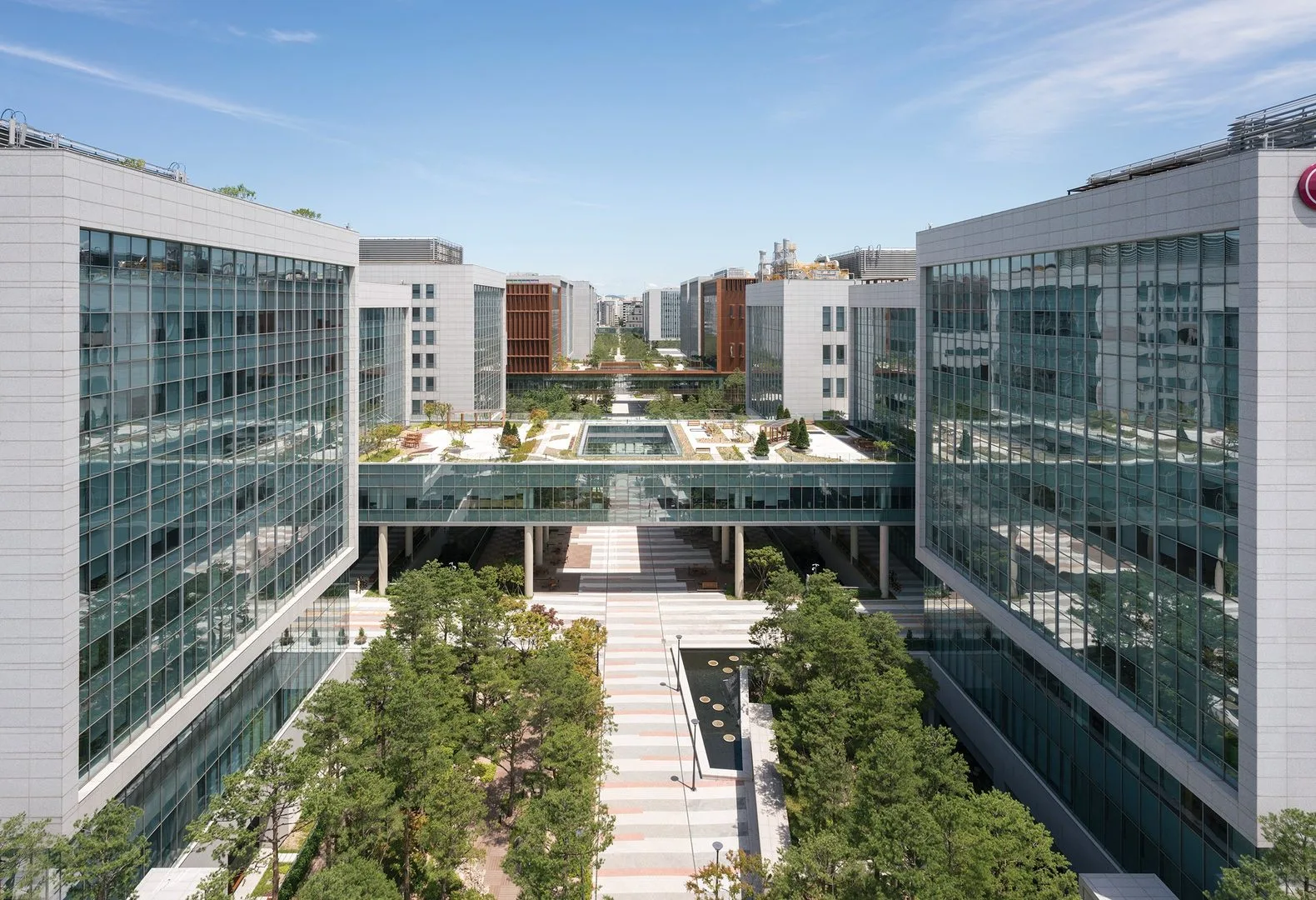
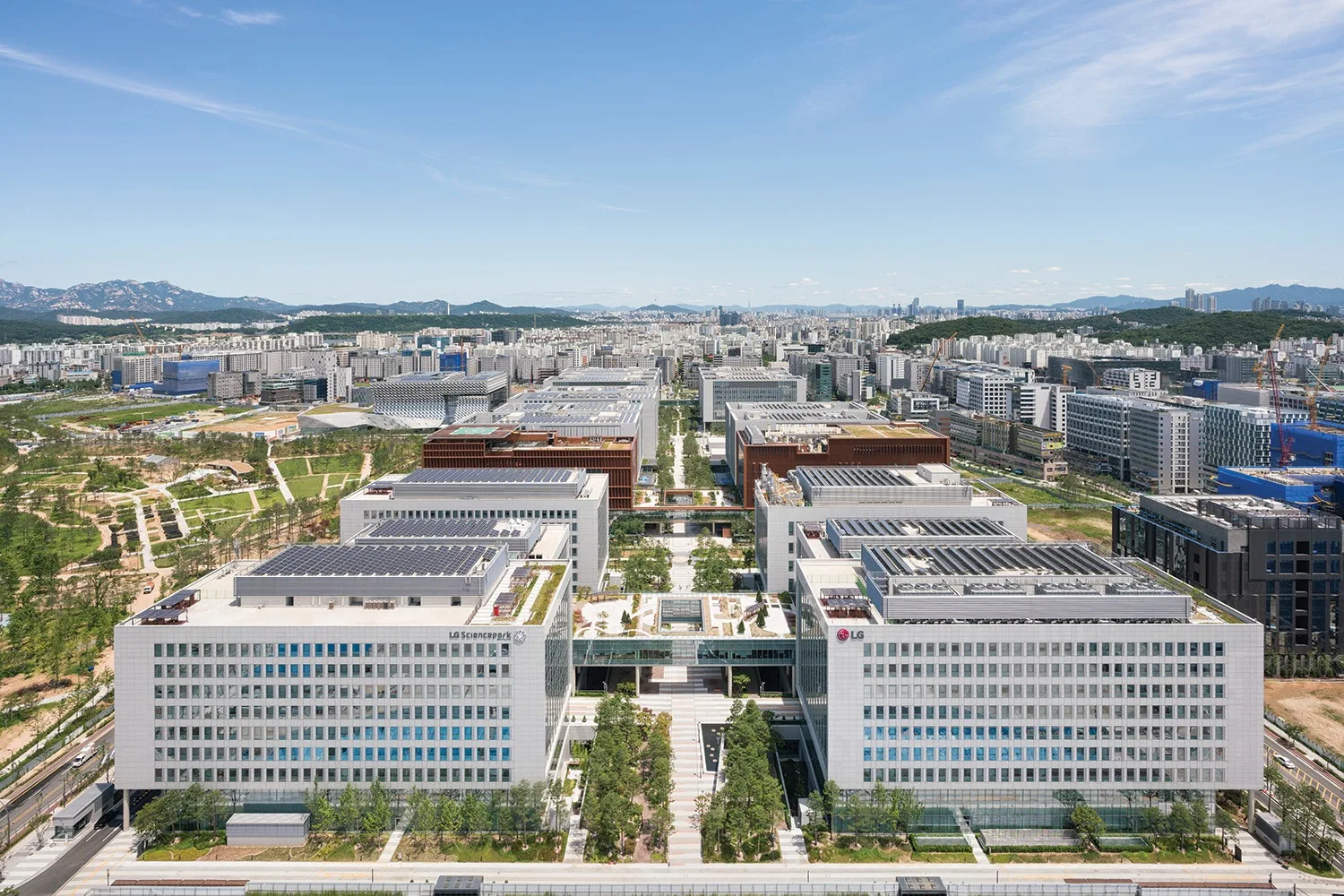
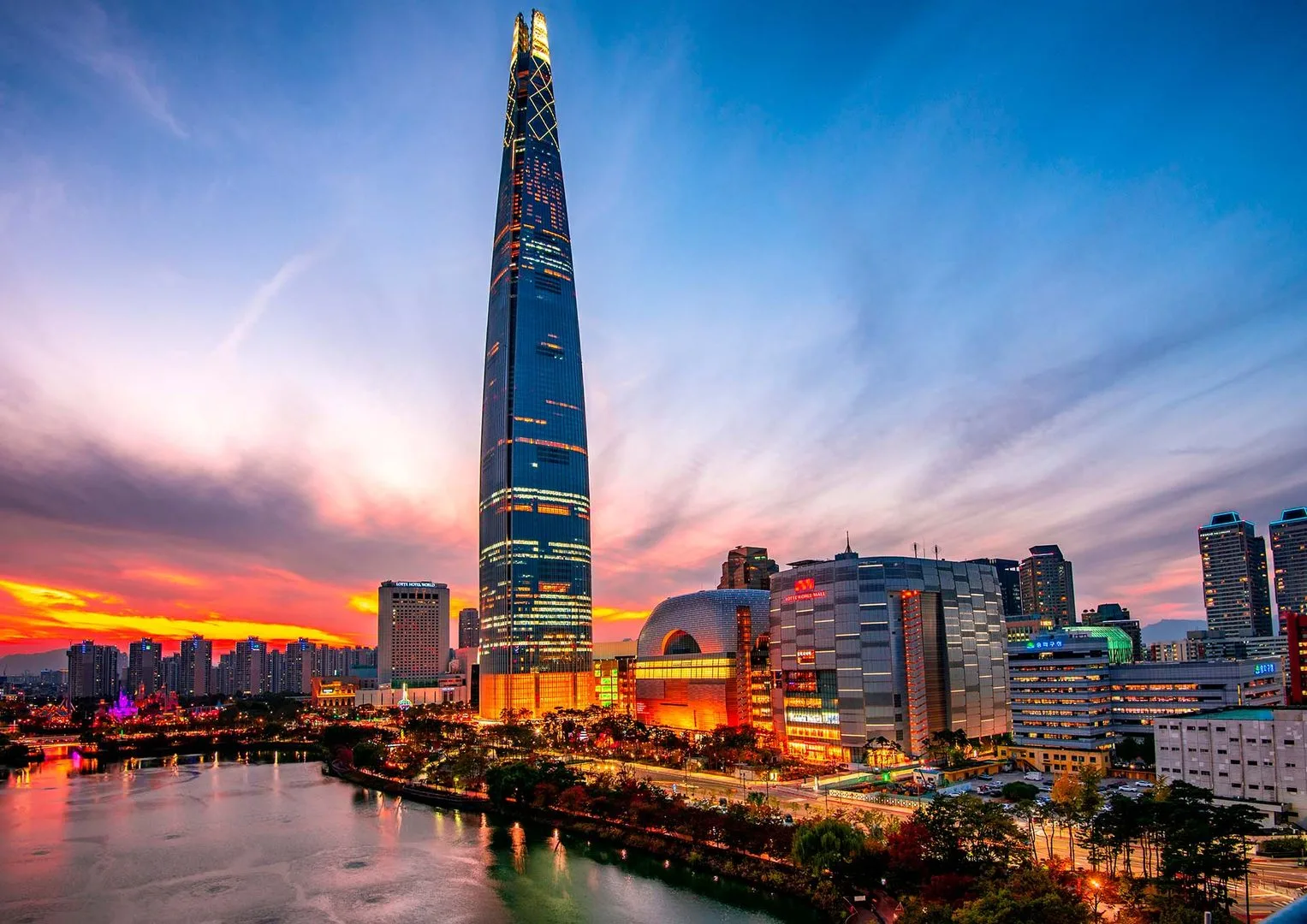
They walked the Changwon production lines where LG builds its MULTI V commercial air-conditioning systems and compressors, and toured the 555-metre Lotte World Tower in Seoul, an LG HVAC reference site where cooling, heating, water and on-site power run from one control system. At LG Science Park in Magok, they saw a single LG platform run 26 buildings.
For Susan Manyane, Quality and Value Engineering Specialist at Mowana Properties, that control layer mattered most. She singled out its value for “shopping centres and large commercial facilities where centralised management is critical”.
“The ability to integrate HVAC, energy consumption, solar systems, and other building technologies into a single platform allows operators to manage everything far more efficiently,” she says.
A certificate most buildings still lack
The tour came as local building owners in South Africa are still adjusting to newly mandated energy performance certificate (EPC) rules. Privately owned non-residential buildings larger than 2 000 m² and government buildings larger than 1 000 m² have been mandated to obtain and display EPCs since the start of 2026. By May most buildings were still catching up. Because the grade rests on metered consumption, the system that monitors and controls a building’s plant now has a direct bearing on the certificate on its wall.
Running a skyscraper as one system
Lotte World Tower in Seoul, South Korea, has 123 floors and a LEED Gold rating from the US Green Building Council. According to its operator, renewable sources supply 14,5% of the building’s energy, drawn from geothermal heating and cooling, rooftop solar heat collectors, wind generators on the upper floors and heat recovered from sewage.
The group also saw the 555m-tower’s ice storage plant, which makes ice at night, when power is cheaper, and uses it to cool the building during the day. South African operators on Eskom’s time-of-use tariffs face the same peak and off-peak arithmetic.
“Many reference sites show the equipment,” says Pierre Joubert, MD of Premium Airconditioning. “Lotte World Tower showed us how an entire building can operate as one connected system. That was incredibly impressive.”
One platform for 26 buildings
LG Science Park in Magok, Seoul, is LG’s research and development campus, home to several LG affiliates across 26 interconnected buildings. One building management system (BMS), built on LG’s BECON (Building Energy Control) platform, runs all of them. From it, facility managers monitor and control air conditioning, lighting, energy consumption, water and security across every building in real time.
The platform links MULTI V VRF systems, chillers and building controls over BACnet, an open communication standard that also lets equipment from other manufacturers join the same network. LG says AI-driven energy management then adjusts the plant as demand rises and falls through the day, drawing on live building data to keep occupants comfortable while running the equipment more efficiently.
South African property groups that run several malls or industrial sites need each building’s metered consumption for its EPC grade, and a single platform holds every building’s figures in one place.
“Shopping centres and industrial sites often share the same problem. Plant from different suppliers sits on separate controls, and nobody has one view of what the site uses. At Magok our guests saw 26 buildings report to a single platform, and that is the model we want South African property owners to plan for,” says Andries Bekker, Eco Solutions Business HeadLG Electronics South Africa.

Inside the compressor plant
In Changwon, on Korea’s south coast, the visitors followed MULTI V units and compressors through each stage of assembly and quality inspection.
“Seeing the complete production process gave us a much deeper appreciation for the level of quality control that goes into every product,” says Geoff Warner, Operations Manager at Garden Route Mall. “It reinforces confidence in the reliability of the solutions we recommend and install.”
“South African building owners have to navigate rising electricity costs on a continual basis, and they now have to prove on a certificate how much they use. Our customers wanted to see integrated control working in a building that has run this way for years, and to meet the engineers who build the equipment they specify,” says Bekker.
Integrated HVAC control and Building Energy Management solutions are still at a relatively early stage in the South African HVAC market. However, as energy costs continue to rise and businesses place greater emphasis on operational efficiency, the demand for intelligent building technologies is growing rapidly. Real-time equipment monitoring, data-driven performance analysis, and the ability to forecast and optimise future energy consumption are becoming essential components of modern building management. Industry experts increasingly view integrated HVAC and energy management platforms as a key pillar of the smart buildings of tomorrow, enabling greater visibility, control, and energy efficiency across entire facilities.
Through its comprehensive portfolio of HVAC equipment, centralised controls, and energy management solutions, LG Electronics South Africa is well positioned to support this evolution by delivering integrated platforms that optimize building performance from design and installation through to operation and maintenance, helping customers create smarter, more sustainable, and future-ready environments.