Humidifier vs Dehumidifier: Which One Does Your Home Actually Need?
Have you ever walked into a room and immediately felt uncomfortable? Maybe the air felt too dry, leaving your throat scratchy and your skin irritated. Or perhaps the opposite happened, the room felt damp, sticky, and carried that unmistakable musty smell. The culprit is usually humidity. Understanding indoor humidity is one of the most overlooked parts of creating a comfortable home environment. Whether you live in a humid coastal city like Durban or a drier inland area like Johannesburg, the right air treatment device can completely change how your home feels.
But here’s the big question: Do you need a humidifier or a dehumidifier? Let’s break it down.
What Is Humidity?
Humidity is simply the amount of moisture present in the air. Some regions naturally have higher humidity levels because of nearby water sources such as oceans, lakes, or dams. Coastal cities like Durban tend to have high humidity because of the moisture coming from the sea. Inland areas like Johannesburg are much drier because there’s less moisture in the atmosphere. This difference affects not only your comfort levels but also your skin, breathing, furniture, electronics, and even the smell of your home.
A humidifier adds moisture to dry air. If your home feels dry because of air conditioning, heaters, or naturally dry weather, a humidifier can dramatically improve comfort levels.
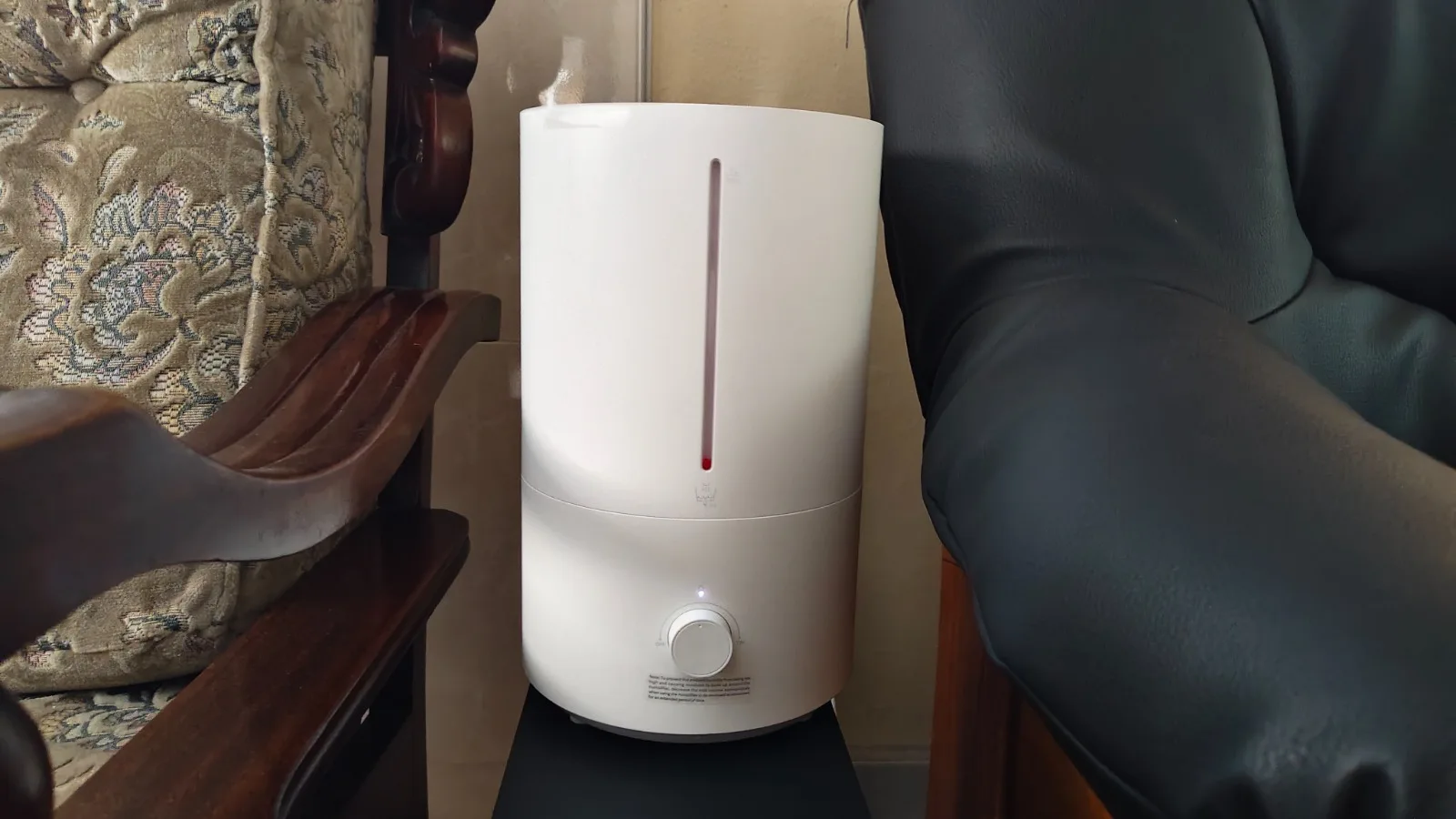
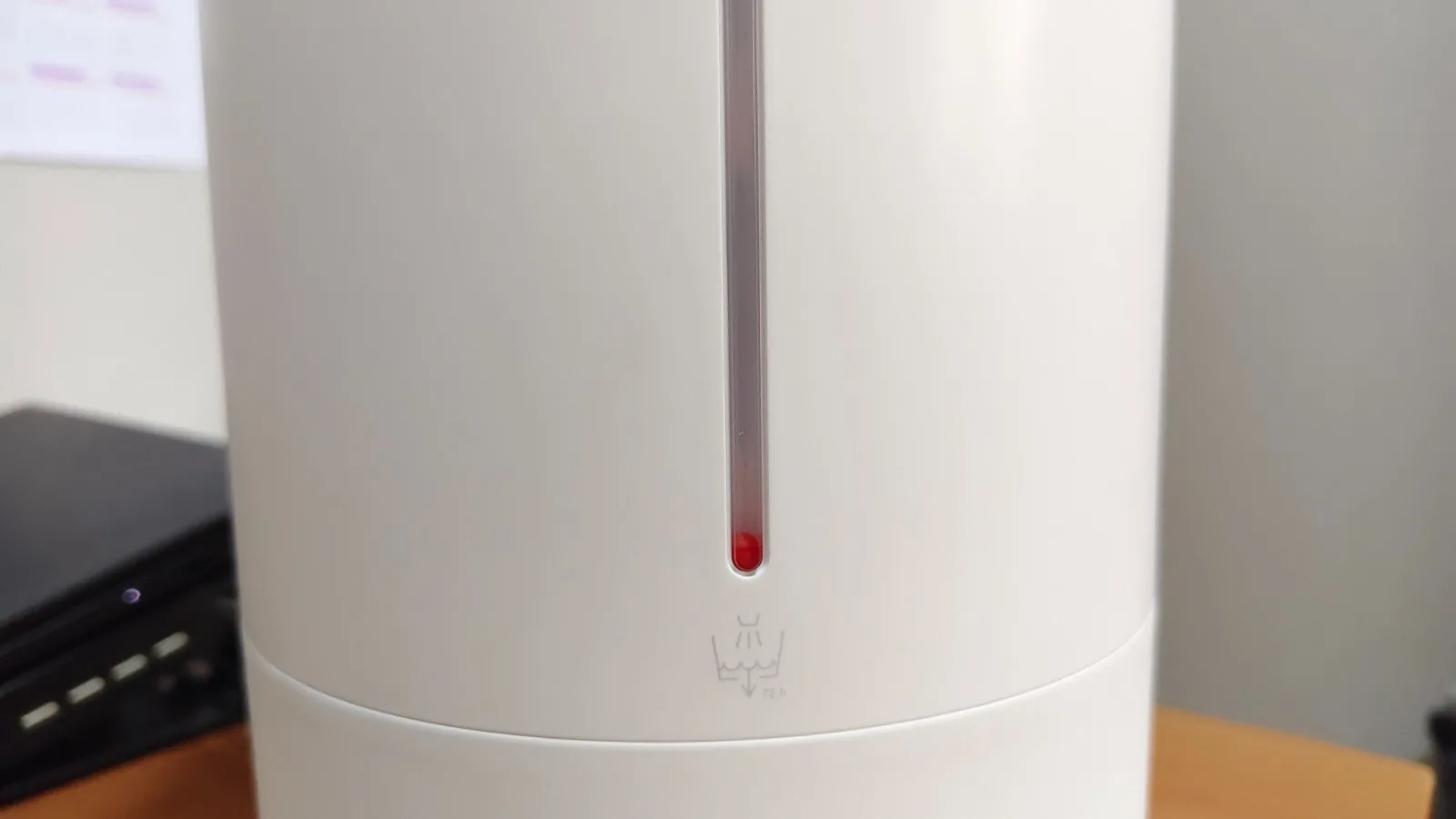
Xiaomi Humidifier 2 Lite
If you live in a dry area or spend a lot of time in air-conditioned spaces, you’ll know how uncomfortable dry air can become. It can leave your skin feeling irritated, your throat scratchy, and even cause dryness in your sinuses. That’s where the Xiaomi Humidifier comes in. Designed to add moisture back into the air, it helps create a more comfortable indoor environment while making your space feel fresher and easier to breathe in.
Specs
| Tank | 4-liter water tank capacity |
| Run Time | Up to 30 hours of runtime |
| Output | Mist output up to 300ml per hour |
| Design | Easy top-fill design |
| Noise | Quiet operation at around 38dB |
| Nozzle | 360-degree rotating nozzle |
| Features | UVC antibacterial technology |
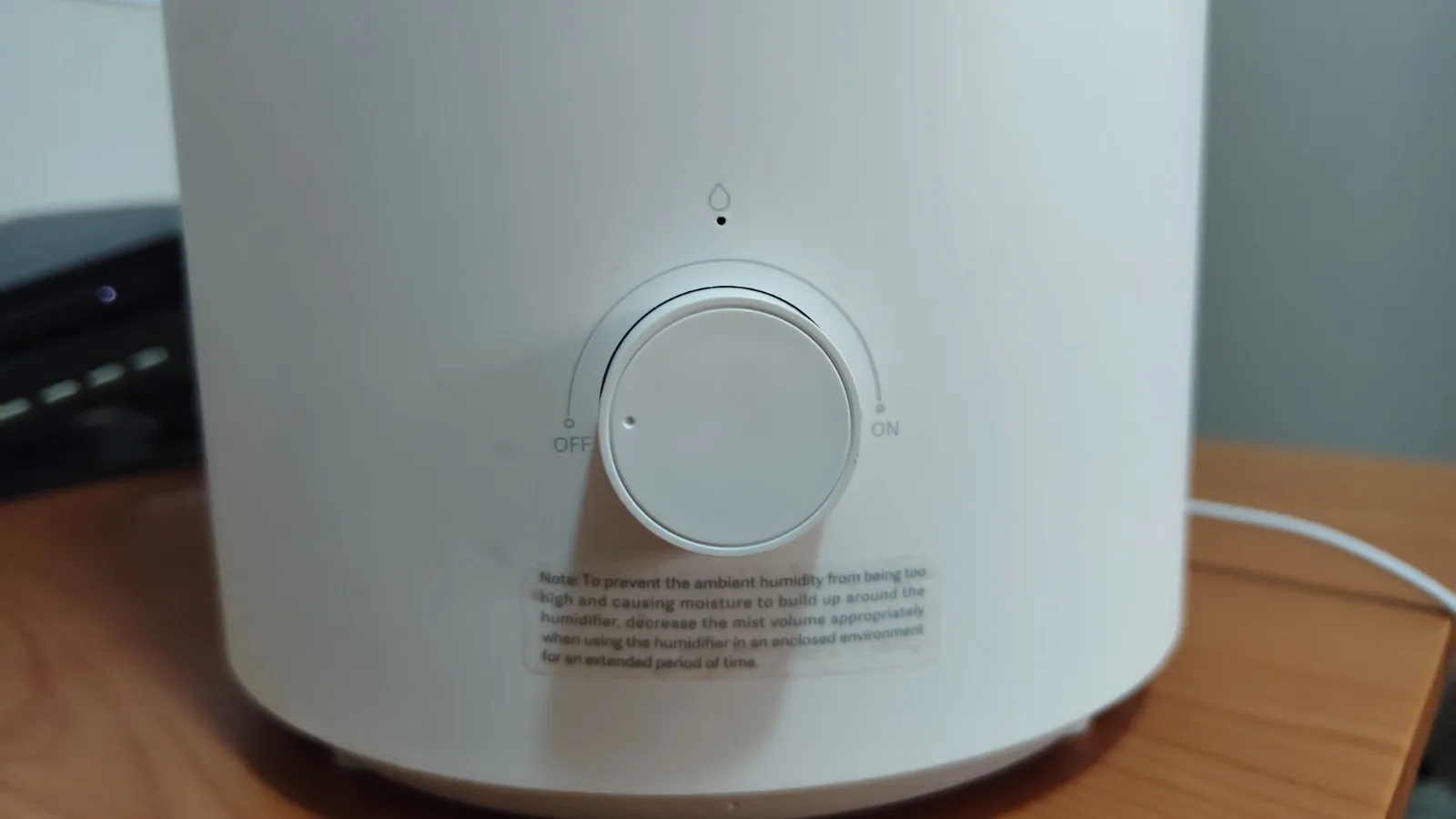
Xiaomi Humidifier 2 Lite Price
A quality humidifier like the Xiaomi Humidifier 2 Lite typically costs between:
R700 – R750
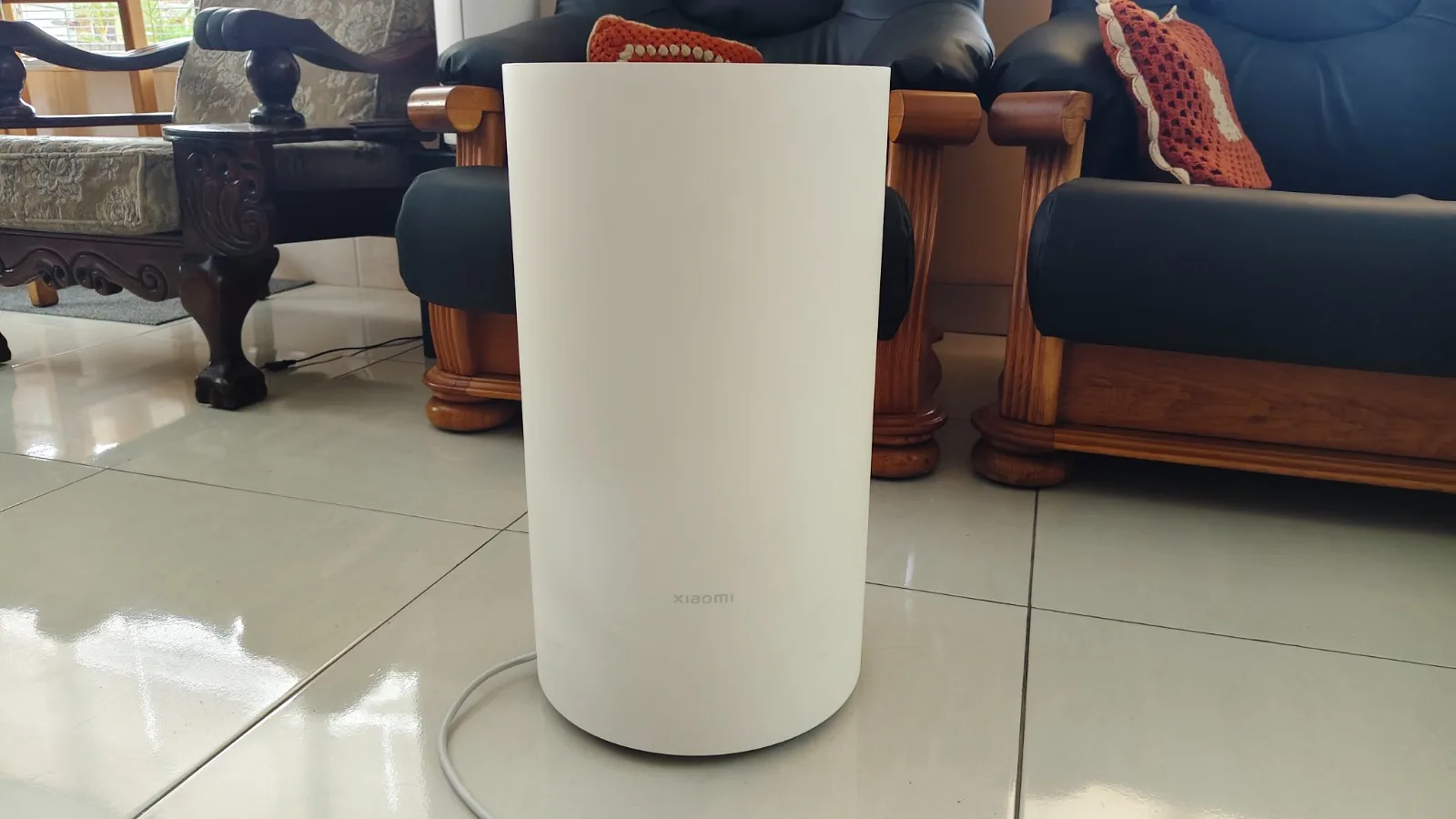
Xiaomi Smart Dehumidifier Lite
If you live in a humid area, you’ll know how uncomfortable excess moisture in the air can feel. Rooms can become sticky, damp, and even develop musty smells over time. That’s where the Xiaomi Dehumidifier comes in. Designed to remove excess moisture from the air, it helps create a fresher, more comfortable indoor environment while also protecting your space from dampness and humidity buildup.
Specs
| Moisture Extraction | Moisture extraction up to 13 liters per day |
| Tank | 3-liter water tank capacity |
| Display | LED display |
| Noise | Quiet operation between 34–38dB |
| Drainage | Continuous drainage option |
| Features | Smart humidity control Auto shutoff when full |
It also offers real-time humidity monitoring and automatic adjustment modes.
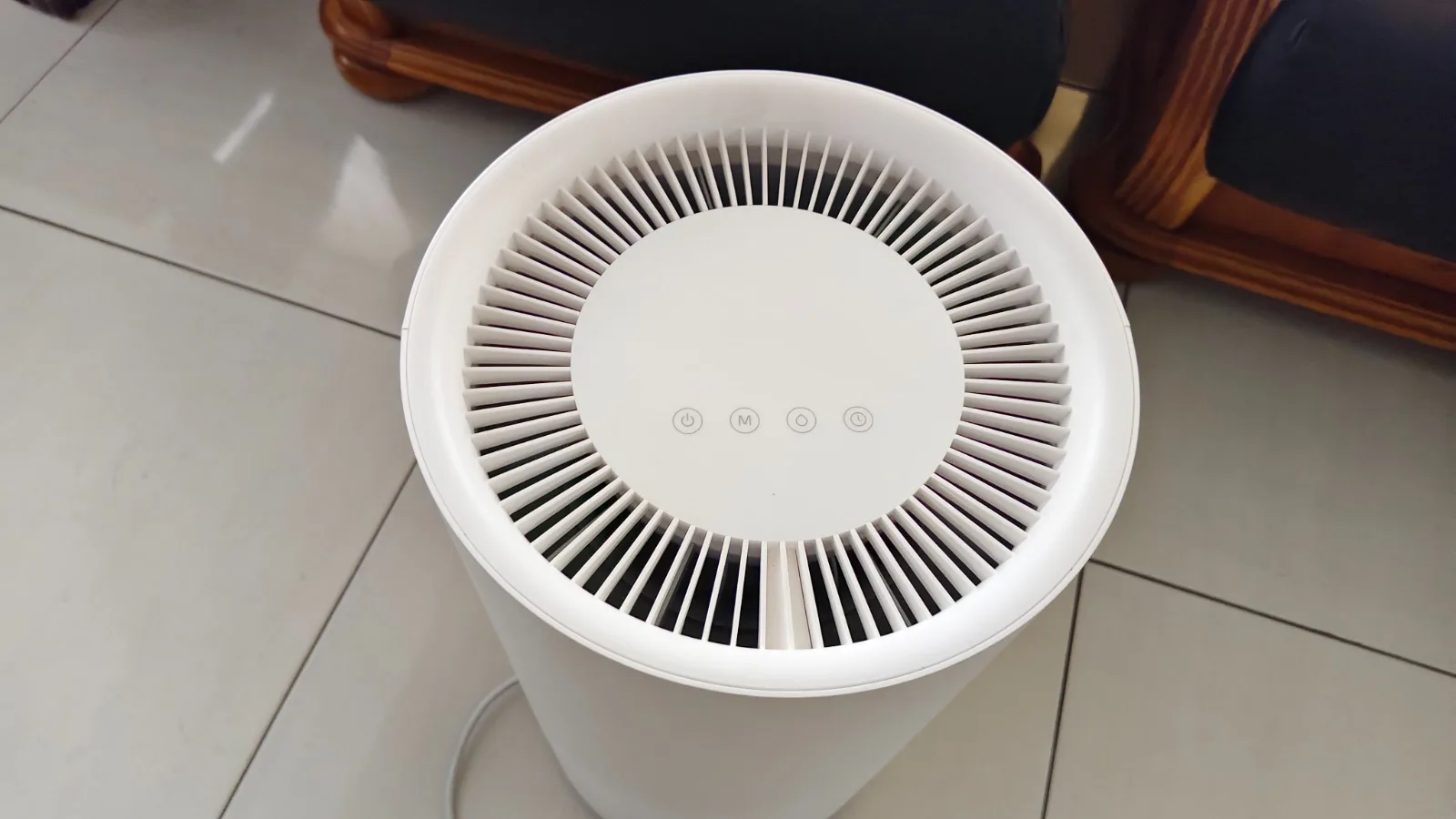
Dehumidifier Price
A good dehumidifier usually ranges between:
R3,700 – R4,300
While a dehumidifier is significantly more expensive, it also solves a much larger environmental issue in humid climates.
Humidifier vs Dehumidifier: The Main Difference
The easiest way to understand it is this:
| Humidifier | Dehumidifier |
|---|---|
| Adds moisture to the air | Removes moisture from the air |
| Best for dry climates | Best for humid climates |
| Helps dry skin and irritation | Helps dampness and mold |
| Ideal for inland regions | Ideal for coastal regions |
Which One Should You Buy in South Africa?
Your location plays a huge role in deciding which device makes more sense.
If You Live in Durban or Coastal Areas: A dehumidifier is usually the smarter long-term investment. Coastal humidity can make rooms feel sticky and uncomfortable while also encouraging mold growth. A dehumidifier helps create a fresher indoor environment and protects your home from moisture damage.
If You Live in Johannesburg or Inland Areas: A humidifier is often the better choice. Dry inland air can cause irritation, dry skin, and breathing discomfort, especially during winter months or in air-conditioned spaces.
Humidifier Pros
- Affordable
- Improves comfort quickly
- Great for skin and sinus health
- Quiet and energy efficient
Humidifier Cons
- Requires regular cleaning
- Doesn’t help in already humid environments
- Limited impact in humid climates
Dehumidifier Pros
- Reduces mold and dampness
- Improves air quality
- Protects furniture and electronics
- Essential for humid coastal regions
Dehumidifier Cons
- More expensive upfront
- Bulkier and heavier
- Requires frequent water tank maintenance
Final Verdict: Humidifier or Dehumidifier?
At the end of the day, it’s not really about which device is better, it’s about what your environment actually needs. If your space feels dry, uncomfortable, or irritating to your skin and sinuses, a humidifier can make a noticeable difference by adding moisture back into the air. On the other hand, if your room feels damp, sticky, or starts developing mold and musty smells, then a dehumidifier becomes the more practical solution. In places like Durban and other coastal regions, a dehumidifier often makes more sense as a long-term investment because of the naturally high humidity levels. Both devices solve completely different problems, but the right one can seriously improve the comfort of your home.