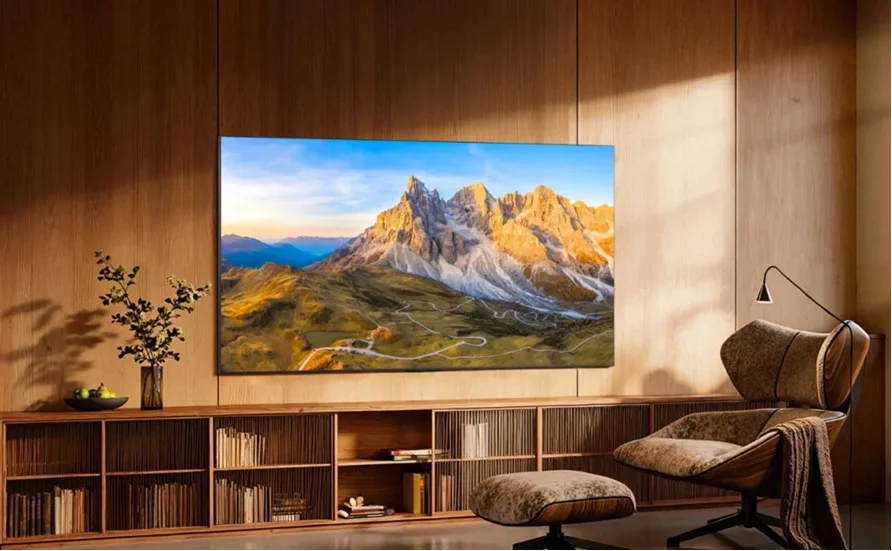
The Biggest TV Buying Question Isn’t How Big Your Screen Should Be
Johannesburg, 29 July 2026 | As televisions become bigger, brighter and more technologically advanced, the way consumers think about picture quality is changing too. For many South Africans, buying a new TV is no longer simply about finding the biggest screen that fits the living room. Increasingly, the conversation is shifting towards what makes an image look better: from deeper blacks and brighter highlights to more accurate, consistent colour.
The challenge is that television technology has become increasingly complex, with terms such as OLED, QLED, Mini LED and Quantum Dot competing for consumers’ attention. For the average shopper, understanding what those technologies actually mean can be difficult.
According to TCL South Africa, the next evolution in Mini LED technology is now putting greater emphasis on the relationship between brightness, colour and precise light control.
“Consumers are becoming more knowledgeable about display technology, but that doesn’t necessarily mean the buying process has become easier,” says Alvin Wang, General Manager of TCL South Africa. “There are more technologies and specifications to consider than ever before, and ultimately, consumers want to know what difference those innovations will actually make when they sit down to watch a movie, follow a sports match or play a game.”
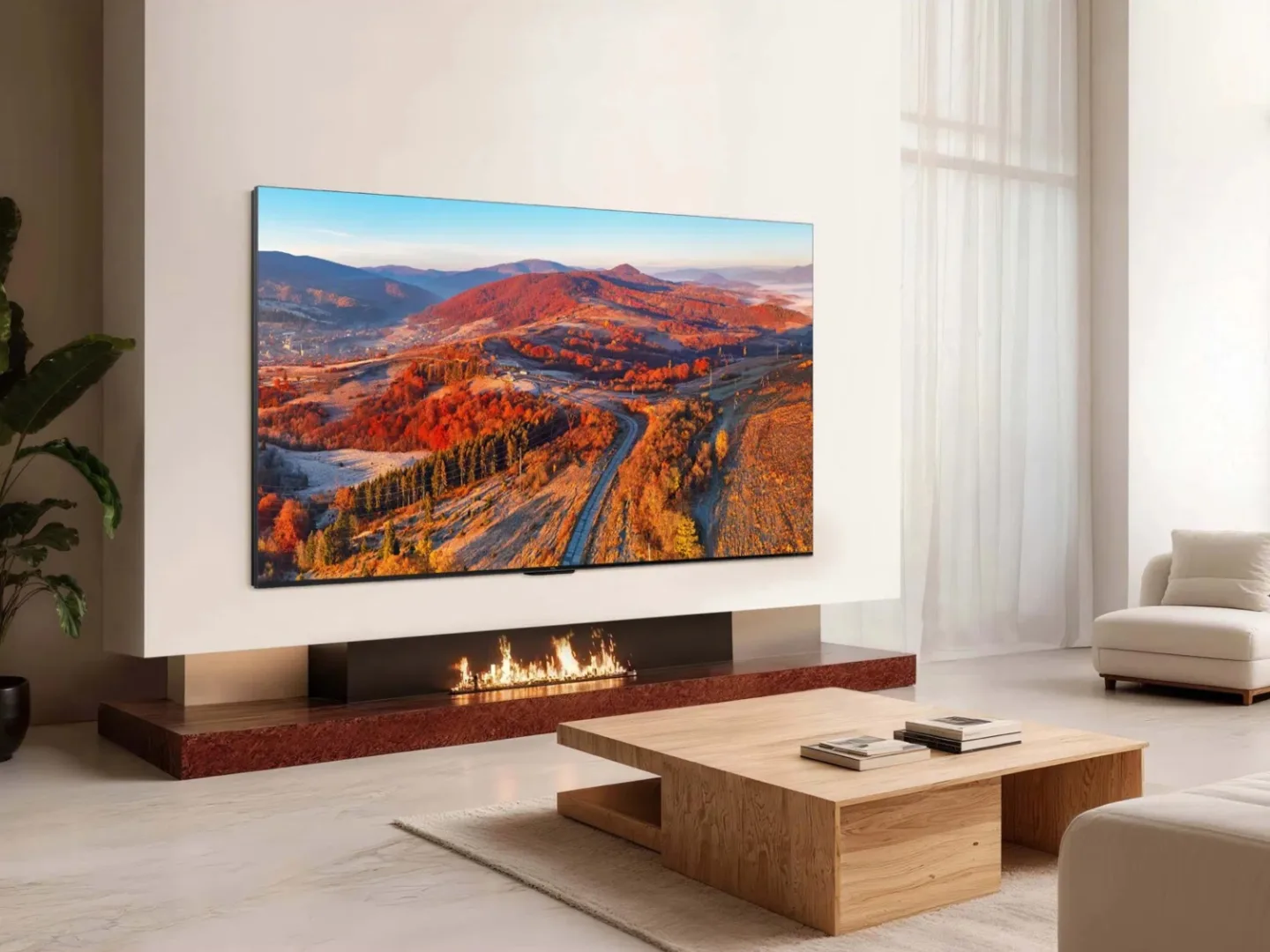
Beyond Brightness
Brightness has become one of the most talked-about aspects of modern television technology, particularly as consumers increasingly watch high-dynamic-range content designed to showcase a wider range between the brightest highlights and darkest shadows.
However, brightness alone does not necessarily translate into a better picture. The ability to control where that light appears on screen is just as important. This is where Mini LED technology has evolved, using a much larger number of smaller LEDs to provide more precise control over different areas of the screen.
TCL’s latest SQD-Mini LED technology takes this approach further through what the company calls Precise Dimming Zones and its All-domain Halo Control Technology, designed to improve control over light and shadow while reducing unwanted blooming around bright objects. The technology combines this with Super QLED and an Ultra Colour Filter Panel to deliver what TCL describes as more stable colour performance across different scenes.
“The real conversation around picture quality is no longer simply about how bright a television can get,” says Wang. “It’s about how effectively the TV can manage the relationship between light, dark and colour at the same time. That is where technologies like SQD-Mini LED are interesting, because they are focused on improving the overall picture rather than one specification in isolation.”
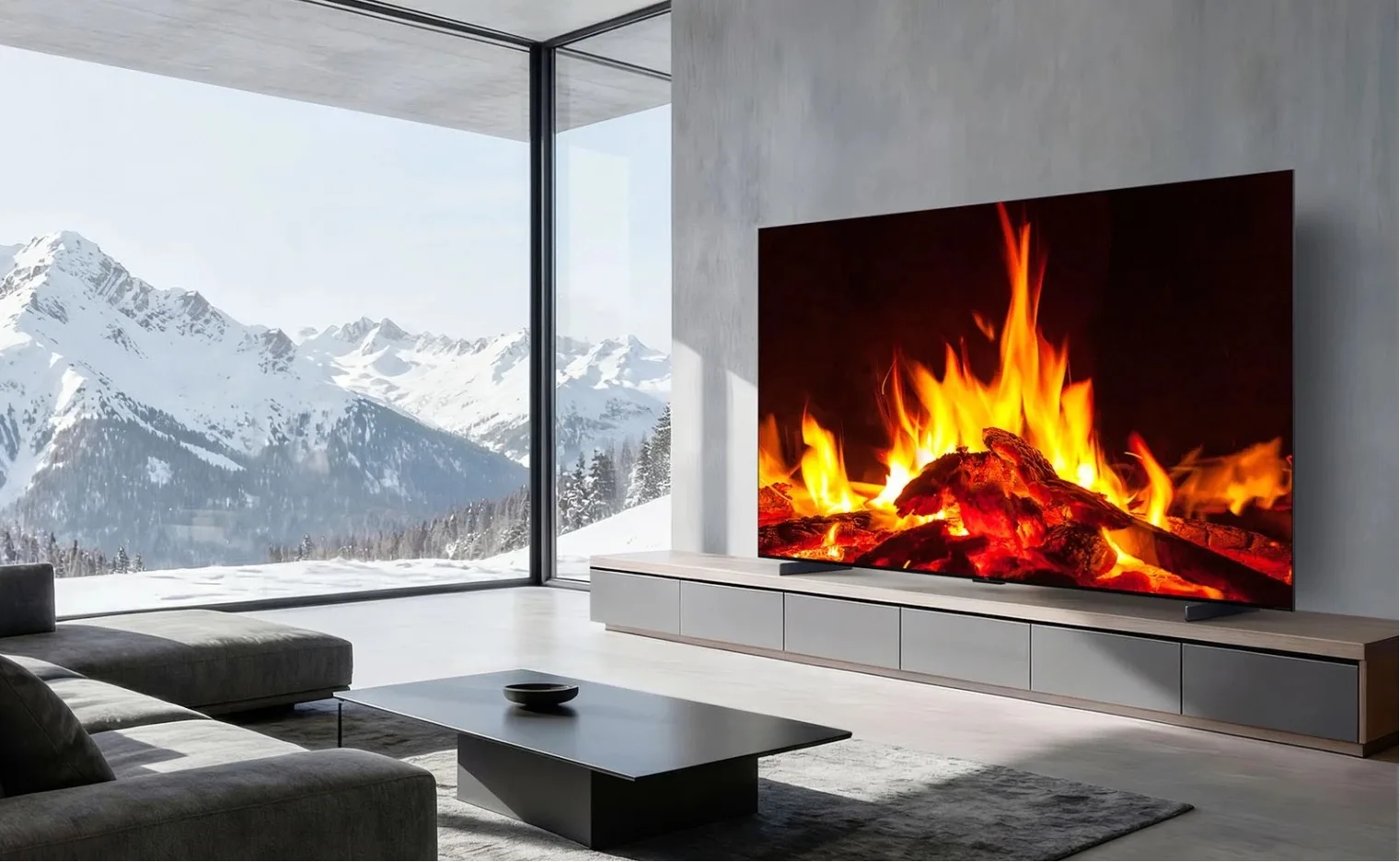
Why Colour Matters More Than You Think
For consumers, colour can be one of the easiest ways to notice a difference between televisions, but it is also one of the most difficult aspects to assess from a specification sheet.
TCL’s SQD-Mini LED technology, for example, incorporates Super Quantum Dot technology and an Ultra Colour Filter, with the company highlighting the technology’s ability to deliver a wide colour gamut while maintaining colour stability across different types of content. The technology is designed to reduce colour cross-talk between adjacent zones, helping to maintain more consistent colours while improving light control.
In practical terms, this is about more than making colours look brighter. It is about ensuring that the deep blue of a night sky, the subtle shades of a skin tone or the vibrant colours of a sporting event remain convincing across the entire picture.
“Consumers don’t necessarily need to understand every technical detail behind a display,” says Wang. “What matters is that they can see the difference. Whether you’re watching a visually spectacular film or something as simple as a football match, good picture technology should make the content feel more natural, more detailed and more immersive.”
Mini LED Moves Into Its Next Chapter
TCL’s SQD-Mini LED range includes models such as the C7L and C8L, with specifications varying by model and screen size. The C8L, for example, combines SQD-Mini LED with Super QLED, a WHVA 2.0 Ultra Panel and Bang & Olufsen audio, while the C7L brings the same broader SQD-Mini LED platform to a more accessible point in the range.
The C8L is available in South Africa in 75-inch, 85-inch and 98-inch screen sizes, while the local C7L range spans multiple large-format options. Features such as peak brightness and the number of Precise Dimming Zones vary depending on the model and screen size, making it important for consumers to look at the specifications of the specific TV they are considering rather than treating a technology name as a guarantee of identical performance across an entire range.
“Television technology is moving at an incredible pace, and consumers are becoming more discerning about what they bring into their homes,” Wang concludes. “The opportunity now is to look beyond the size of the screen and understand the technology that sits behind it. The goal should always be the same: to create a better viewing experience that makes the content you love look and feel its best.”
As the television market continues to evolve, the question for consumers may no longer be simply how big should my TV be?Instead, it could increasingly become: how good do I want the picture to look?